
Potion Permit
PlaydigiousRole Playing
4.5619.00 Reviews
- Version
- 1.54
- Installs
- 100.00K
- Age Rating
- Everyone
Screenshots



Our Review of Potion Permit
 Analysis by Appyee
When I want a role-playing game that lets me settle into a gentle routine rather than chase constant combat, Potion Permit is an appealing change of pace. I spend my days in Moonbury gathering ingredients, preparing remedies, and getting to know the people who live there. That mix makes the game feel less like a string of quests and more like a small community I’m learning to care about.
There is still a practical rhythm beneath the cozy presentation: what I collect affects what I can make, and how I spend my time shapes which parts of town life I get to enjoy. The game suits players who like having a handful of worthwhile activities to choose from, but it is less suited to anyone looking for a fast, combat-first role-playing adventure. I find it most rewarding when I treat each day as a small plan rather than trying to do everything at once.
Finding a satisfying rhythm in Moonbury
I find Moonbury’s routine works best when I treat each day as a few connected choices rather than a checklist to clear. A brief pause after clinic work helps me decide whether the next outing should serve a remedy, exploration, or a conversation, and that choice naturally leads into the small habits that make the rhythm easier to maintain.
A day built around the clinic
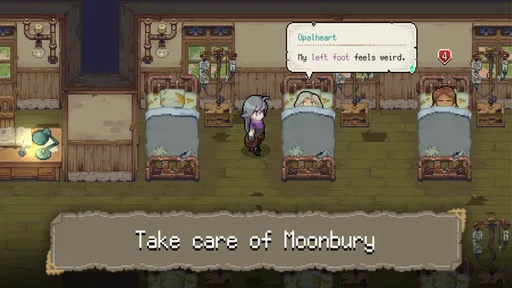
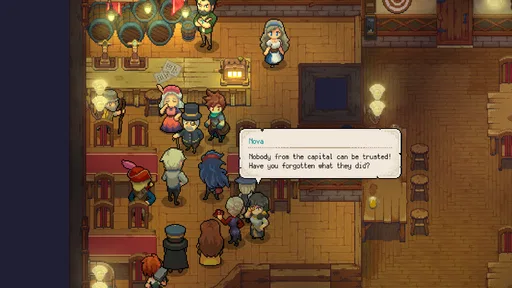
So, you’ve just arrived in Moonbury, a charming little town that’s more like a warm hug than a bustling metropolis. As the newly appointed chemist, your job is to heal the residents with your concoctions. The game kicks off with a cozy introduction to the village, and you’re immediately welcomed by the quirky townsfolk. Trust me, getting to know these characters is half the fun!
One of the first things you’ll notice is the delightful art style. The graphics are a vibrant blend of pixel art and modern aesthetics, giving it a nostalgic yet fresh feel. It’s the kind of visual charm that makes you want to explore every nook and cranny of the game.
In ordinary play, I think of the clinic as the day’s anchor. A patient’s treatment gives me a clear task to organize around: gather what I need, turn those materials into a remedy, then make room for the rest of Moonbury’s activities. That structure is useful if open-ended games leave you wondering what to do next. It also means a session can feel productive even when I focus on one practical goal instead of clearing a long quest list.
A realistic routine might be to check what the clinic needs before heading out, then spend the rest of a short play session collecting ingredients or visiting people I have not spoken to recently. When I have more time, I can let exploration take the lead. I prefer this flexible approach to treating every day as a checklist, because it keeps the cozy pace intact and makes resource decisions feel purposeful.
Turning ingredients into useful remedies
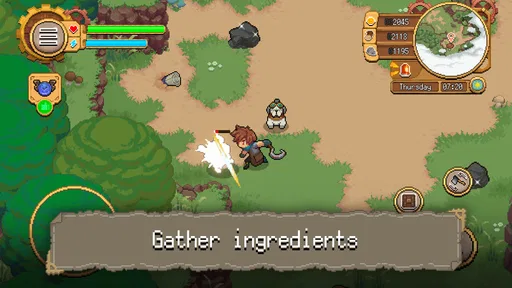
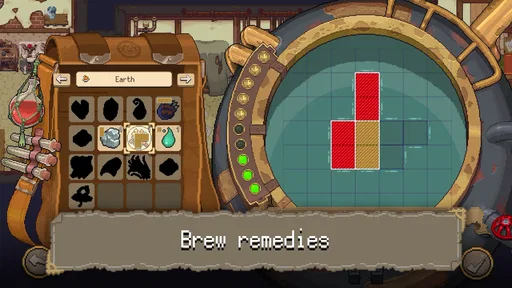
Now, let’s talk about the core of Potion Permit—potion making. It’s not just about tossing ingredients into a cauldron and hoping for the best. You’ve got to gather the right materials, which means foraging and sometimes a bit of battling with the local wildlife. It’s a bit like cooking, only with a lot more magic and a dash of strategy.
The crafting system is intuitive yet challenging enough to keep you engaged. You’ll be experimenting with various ingredients to perfect your potions, and let me tell you, there’s nothing more satisfying than seeing a patient leave your clinic with a smile!
The useful habit I developed is to treat gathering as preparation, not as a separate grind. If I head out with the current remedy in mind, I can make choices about where to spend my time instead of collecting everything indiscriminately. That makes each trip feel connected to the clinic. It also helps explain the main trade-off: when I focus on materials, I may postpone social visits or exploration, so I have to decide which part of the day matters most.
For players who enjoy a little planning, that loop is the main attraction. I can see what I need, work toward it, and return to a clear payoff. But if ingredient collection feels like busywork to you, or you want crafting to be a quick menu stop between action sequences, the repeated gathering may become the part that slows the experience down.
Settings and habits that make sessions smoother
Before settling into a long session, I recommend checking the available settings and controls on your device rather than assuming the default arrangement will suit you. On a touch screen, comfort matters when you are moving around, interacting with the town, and handling the game’s different activities. I would make a small adjustment at the start if a control feels awkward, then give it time before changing several things at once; that makes it easier to tell whether the change actually helps.
I also find it useful to pause at natural transitions. After treating a patient or finishing an outing, I can take stock of what I have gathered and decide whether the next stretch should be about supplies, exploration, or relationships. That simple reset is more reliable than wandering without a purpose, especially in a game where those activities compete for attention.
One practical tip is to avoid turning every supply trip into a broad sweep. Pick a clear priority, gather toward it, and reassess when you return. This makes the game easier to fit into a short mobile session and reduces the feeling that progress depends on doing everything in one sitting. I would not expect a shortcut to remove the need for gathering; the satisfaction comes partly from the routine itself.
People, stories, and a slower kind of progress
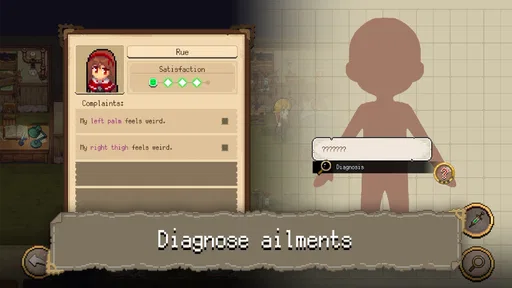
Oh, the sweet joy of making friends! Moonbury is home to an array of delightful personalities, each with their own stories and quirks. As you help them with their ailments, you’ll also have the chance to build relationships. It’s like a never-ending episode of your favorite feel-good TV show.
Interacting with the townsfolk isn’t just for fun; it’s an essential part of the game. The more you engage with them, the more you learn about their likes, dislikes, and personal stories. This depth adds a layer of immersion that makes you feel like you’re part of the community.
For me, the best way to keep relationships from becoming another chore is to fold conversations into a route I already have a reason to take. If I am moving around town after clinic work, I can make time for a familiar face along the way rather than set out on a separate round of visits every day. This small habit leaves room for the relationships to grow naturally and keeps the game from feeling like a rigid schedule.
The social side is also why I would recommend this to someone who likes character-led games more than competitive play. It gives the work of healing a human context: I am not just completing tasks, I am learning who lives in Moonbury and why the community matters. If you prefer stories driven by high-stakes plot twists or frequent action, the town’s gentler pace may not hold your attention in the same way.
Where the cozy routine has limits
Being a chemist isn’t all sunshine and rainbows. There are challenges, like managing your resources and time effectively. You’ll need to balance potion making with other activities like exploring and interacting with the villagers. It’s a juggling act, but one that’s incredibly rewarding once you get the hang of it.
There’s also the occasional mystery to solve, which keeps the gameplay fresh and exciting. Whether it’s figuring out why the herbs aren’t growing or what’s causing the mysterious ailments, there’s always something to keep you on your toes.
That balance is also the game’s biggest limit for me. Because clinic duties, collecting, exploring, and socializing all draw on the same day, progress can feel gradual if I keep switching goals. The answer is not to rush through the routine, but players who want constant new systems or a brisk story may find the repetition noticeable. I would choose a more action-focused role-playing game if I wanted combat to be the main event; this one is strongest when the quieter work is what I came for.
It is a better fit for someone who enjoys returning to a place and seeing familiarity build over time. It is a weaker fit for a player who dislikes gathering, prefers a tightly guided sequence of missions, or wants every session to deliver a dramatic turning point. I like that the game gives me room to settle in, but that same steadiness means it asks for patience rather than providing instant variety.
The sound of a calmer adventure
Let’s chat about the soundtrack for a second. The music is soothing, with melodies that perfectly complement the game’s whimsical and relaxing vibe. It’s the kind of background music that makes you want to brew potions all day long. Seriously, it’s a vibe.
This mood makes it a natural choice for unwinding after work or filling a quiet break, especially if I want a game I can approach in manageable stretches. I would not pick it when I am looking for a demanding action challenge or a quick burst of competitive play. Its appeal is less about testing reflexes and more about enjoying a steady loop of care, preparation, and community life.
Who will enjoy the work of Moonbury?
Among mobile role-playing games, this sits closer to a life-simulation adventure than to the usual combat-heavy quest. Compared with games built around repeated battles, equipment upgrades, and dramatic boss encounters, its pleasure comes from making remedies and building a place in town. Compared with a pure farming or crafting game, the clinic gives the routine a sharper purpose: materials are not just stockpiled, they help me respond to people who need care.
That distinction makes it easy to decide whether it belongs on your phone. I would recommend it to players who like cozy routines, character interactions, light exploration, and crafting with a clear goal. I would steer a friend toward another game if they mainly want fast combat, a short linear campaign, or little repetition. It is a personal preference call, not a flaw that one style is better than the other.
If you are wondering whether it works for short play sessions, I find its day-to-day goals make it approachable in smaller chunks, though I still like having enough time to finish an outing or follow a task through. If you are wondering whether you need to be an experienced role-playing player, the basic loop is easy to understand; the more important question is whether you enjoy managing several gentle priorities. And if you are deciding whether the paid download is worth considering, I would judge it by how much you value a self-contained, slower-paced routine rather than by expecting an endless stream of new activities.
What to know before downloading
Playdigious developed this role-playing game, which launched on February 2, 2024. It costs $6.99, carries an Everyone age rating, and version 1.54 requires Android 8.0 or later. I would check that minimum operating-system requirement before installing, then consider whether the mobile controls and relaxed pace suit the way I like to play.
Its 4.5 average from around 19,000 ratings, alongside more than 100,000 installs, suggests that many players have found an audience for its particular blend of clinic work and town life. The smaller pool of written reviews—around 600—does not tell me whether I will enjoy that routine; the deciding factor is whether gathering, crafting, and getting to know villagers sounds satisfying to me.
In a world that’s often fast-paced and hectic, Potion Permit offers a delightful escape into a land of potions, friendships, and endless possibilities. It’s a game that doesn’t just entertain but warms the heart. Whether you’re a seasoned gamer or someone looking for a cozy adventure, this game is a fantastic addition to your mobile library.
So, what are you waiting for? Grab your cauldron, head to Moonbury, and start your journey as the town’s beloved chemist. It’s a magical experience you won’t want to miss!
Verdict
Strengths of Potion Permit
- Engaging storyline with unique quests.
- Charming pixel art graphics.
- Variety of potions to craft and use.
- Interactive town with diverse NPCs.
- Relaxing gameplay with no time pressure.
Limitations of Potion Permit
- Limited character customization options.
- Occasional minor bugs in gameplay.
- Repetitive music can become monotonous.
- Some tasks can feel grindy.
- Lack of multiplayer or co-op mode.
Other Releases by Playdigious
View All


Similar Picks in This Category
View All
Hair Dye
CrazyLabs LTD4.4

Monster High™ Beauty Salon
CrazyLabs LTD4.5

Bus Simulator - Bus Games 3D
Jima Apps4.4

Flight Pilot: 3D Simulator
Wildlife Studios4.1


Super Stylist Fashion Makeover
CrazyLabs LTD4.4
Frequently Asked Questions
What is the main objective of Potion Permit?
Potion Permit is a life simulation and role-playing game where players take on the role of a chemist sent to a small town. Your primary task is to cure the town’s residents by creating potions and remedies. Along the way, you'll gather resources, build relationships, and explore the surrounding areas.
How do I gather ingredients in Potion Permit?
In Potion Permit, ingredients are collected from various locations around the town and its outskirts. You'll need to explore forests, fields, and other areas to find plants, minerals, and other resources. Be prepared to face some challenges in the wild, as creatures may guard these valuable ingredients.
Can I customize my character in Potion Permit?
Yes, Potion Permit offers character customization. You can personalize your chemist's appearance to suit your style. This includes selecting different hairstyles, clothing, and accessories. Customization adds a personal touch to your gameplay experience as you interact with the town's residents.
Is there a multiplayer mode in Potion Permit?
Potion Permit is primarily a single-player experience, focusing on personal progress and story development. While there is no multiplayer mode, the game offers a rich narrative and immersive world for players to explore individually. Interaction with NPCs and building relationships are key components of the gameplay.
What platforms is Potion Permit available on?
Potion Permit is available on multiple platforms, including Android and iOS for mobile users. Additionally, it can be played on PC and various gaming consoles. This wide availability ensures that players can enjoy the game on their preferred device, whether at home or on the go.
Play our best games!


